When preparing to travel, most cat owners focus on finding the right caregiver—but just as important is making sure that caregiver has everything they need to properly care for your cat. Even the most attentive and experienced cat sitter can only do their job well if they’re fully equipped with the right supplies, clear instructions, and a complete understanding of your cat’s daily life. Providing these essentials ensures your cat experiences consistency, comfort, and security while you’re away.

Food and feeding routines are at the heart of your cat’s well-being. It’s not enough to simply leave a bag of food on the counter—portion sizes, feeding times, and any special dietary needs should be clearly outlined. If your cat eats wet food, dry food, or a mix of both, those details matter. The same goes for fresh water; clean bowls and instructions on how often to refresh them help maintain your cat’s health and hydration. A well-prepared setup eliminates guesswork and keeps your cat’s routine uninterrupted.

Medications and health care instructions are another critical component. If your cat requires medication, supplements, or special treatments, providing clear, written directions is essential. Include dosages, timing, and any techniques that make administration easier or less stressful for your cat. It’s also helpful to share your veterinarian’s contact information and any emergency procedures, giving your caregiver confidence and clarity should anything unexpected arise.
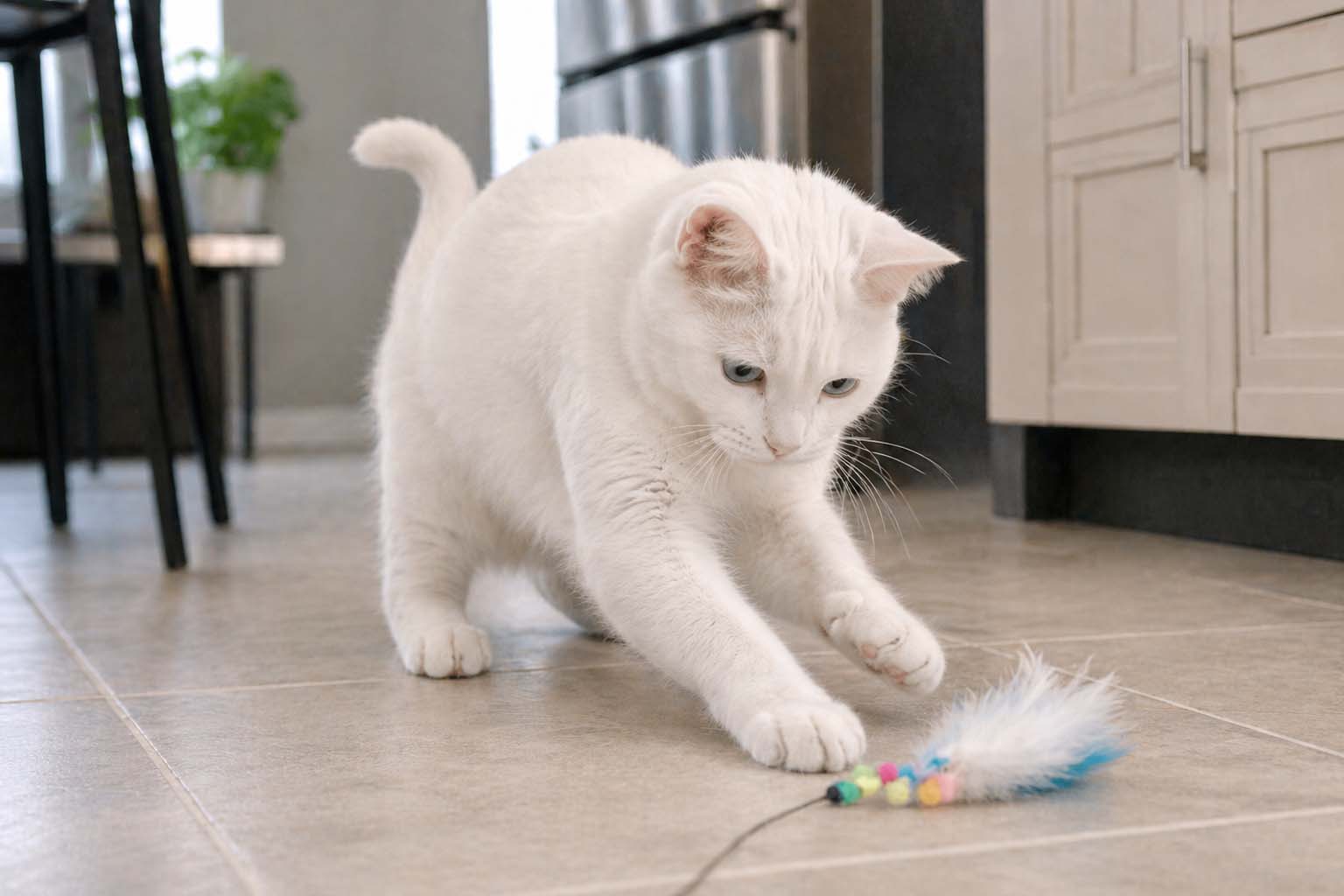
Beyond physical needs, comfort items play a powerful role in keeping your cat calm. Familiar toys, blankets, favorite resting spots, and even scents help create a sense of normalcy. Cats rely heavily on their environment for reassurance, so maintaining their space as closely as possible to how you leave it can significantly reduce anxiety. Encouraging your caregiver to engage with your cat using their favorite toys or routines adds an extra layer of emotional care.
Equally important is communicating your cat’s daily rhythm and personality. What time are they most active? Do they prefer morning visits or evening companionship? Are they social, shy, or independent? Sharing these details allows your caregiver to tailor their visits in a way that feels natural and comfortable for your cat. The more your caregiver understands your cat’s habits, the better they can provide care that feels familiar rather than disruptive.
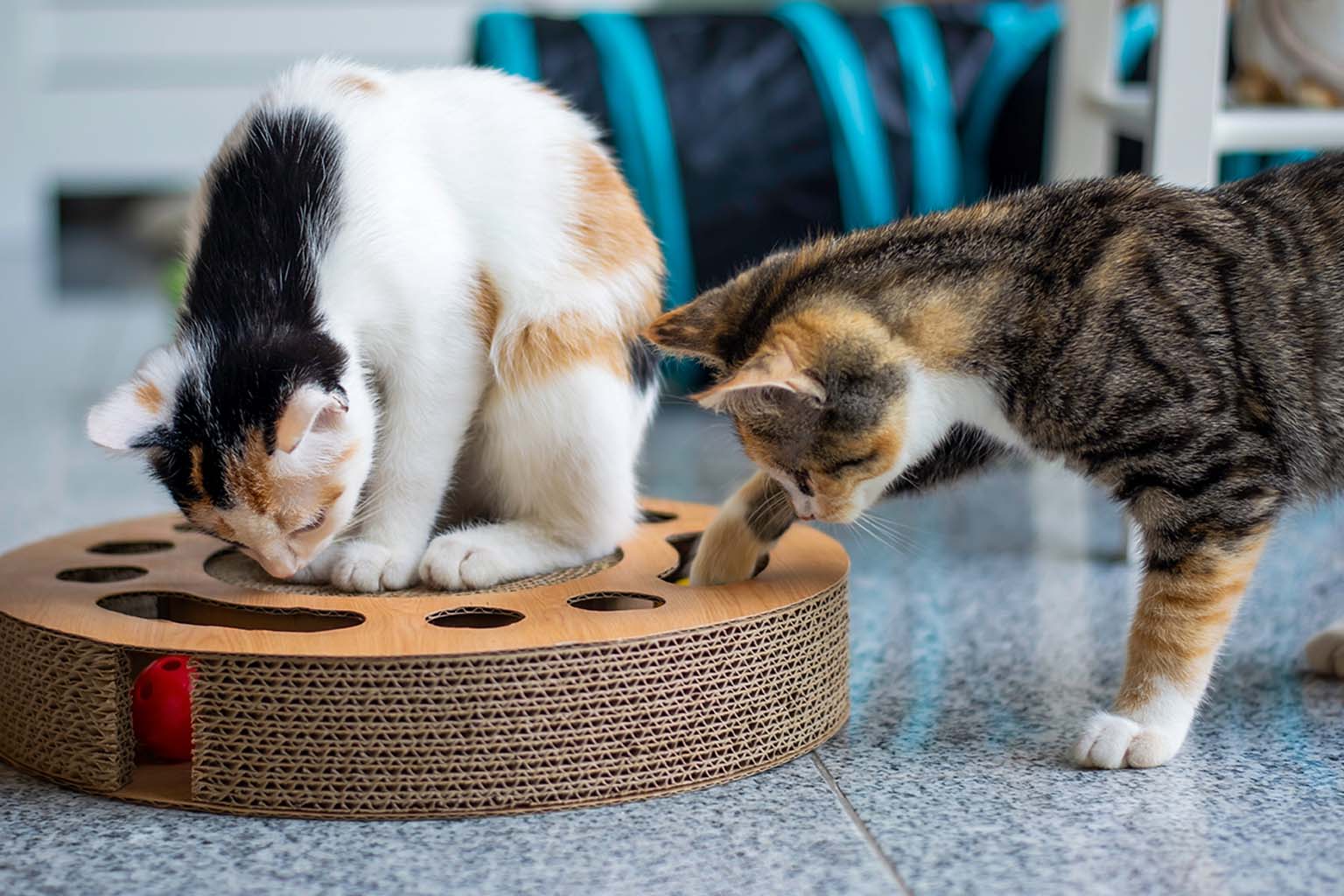
Lastly, setting clear expectations around visit timing and frequency ensures your cat is never left feeling neglected or overstimulated. Some cats thrive with multiple short visits, while others prefer one longer, calm interaction. By outlining what works best, you help your caregiver strike the right balance between attention and space.
In the end, preparing your cat caregiver with everything they need is an act of thoughtful responsibility. It bridges the gap between your absence and your cat’s sense of stability, turning what could be a stressful experience into a seamless transition. When your caregiver is informed, equipped, and aligned with your cat’s needs, your pet isn’t just being looked after—they’re being cared for in a way that feels safe, familiar, and genuinely comforting.
 Instagram